




Today’s retail workforce
The pace of change of retail technology and consumer expectations for an efficient, enjoyable, tech-enabled shopping experience is rapidly increasing.
Bricks-and-mortar retail is awash with ecommerce-focused disruptors taking a swing at offline shopping – bringing the best of their online expertise and breathing life into it in store.
From Gymshark announcing in July that it is ramping up store openings in mainland Europe, the UK and UAE, to fashion pureplay Sosandar launching on top-tier UK high streets that same month, the appetite from online disruptors to snatch market share and increase brand awareness on the high street is higher than ever.

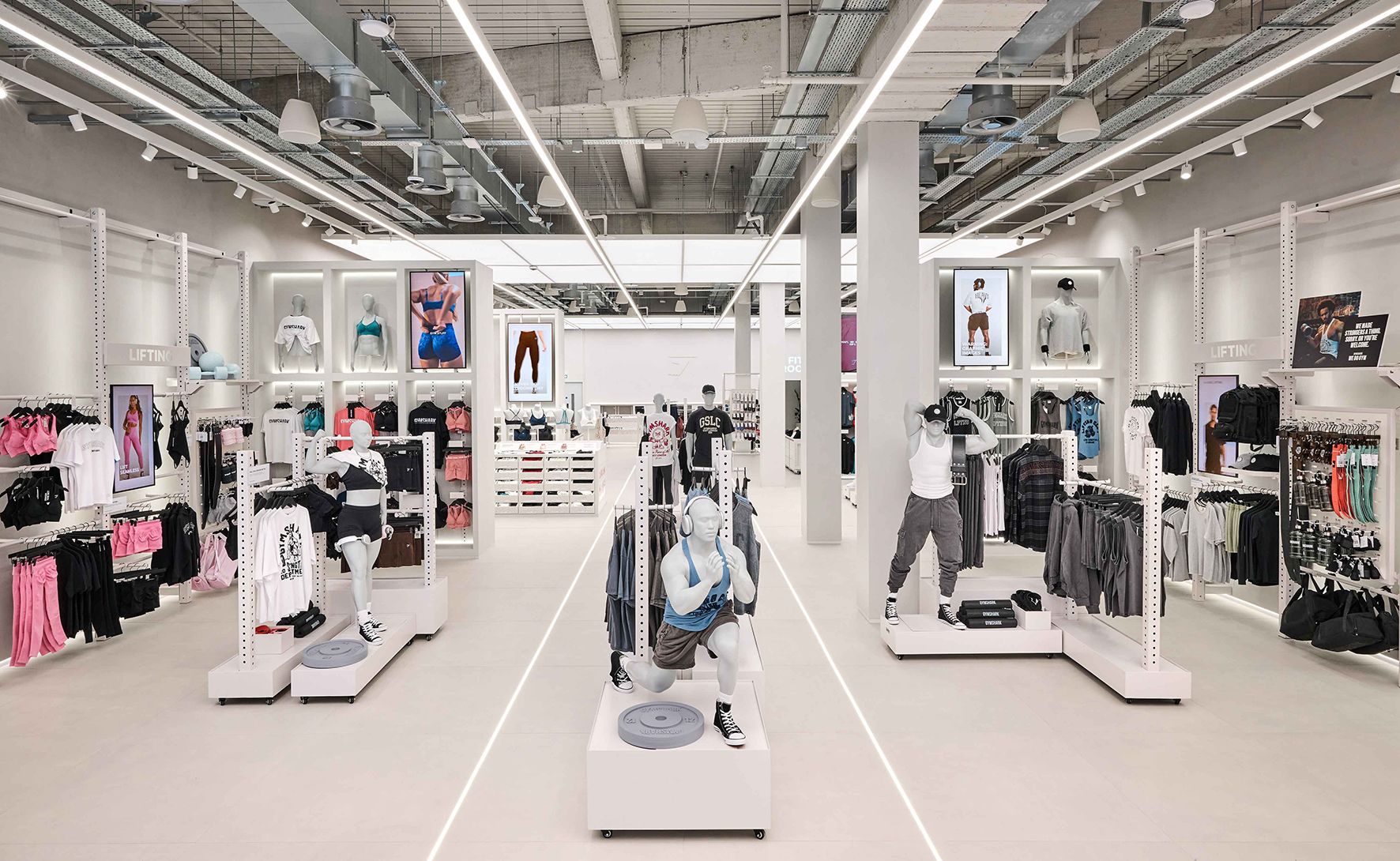
Gymshark's store in Westfield Stratford City
Gymshark's store in Westfield Stratford City
Alongside this, many traditional retailers that have failed to invest in tech and bring store staff along with them over the years have fallen by the wayside – from Carpetright and M&Co to Wilko, before its rescue by The Range.
There is also a clear correlation between the retailers making strides in sales growth, increased market share and/or improved profitability, and those that are investing in well-deployed tech in store – such as M&S, Ikea and Sephora.
Against this backdrop, it is evident that engaged and motivated store staff who are invested in new store tech initiatives are essential for standing out from competitors.
So, how are retailers getting this right and balancing the challenges of deploying tech effectively in store with supporting and engaging their shopfloor workers?
Back for a second year is Retail Week’s Talking Shop report, produced in partnership with Workday, which digs into these questions.
Featuring the results of an exclusive survey with 500 employees working across UK retail stores, we have delved into frontline employees’ engagement in, and concerns around, the deployment of tech in their store, as well as their wider perspective on working in retail today.
There is often a concern about retail tech working at odds with and even replacing store staff, but it is clear from the research that the significance of these concerns is often overstated when it comes to shopfloor colleagues.
Seventy-three per cent of store staff agree or strongly agree that having the right technology in place helps their store operations
Nearly three quarters (73%) of store staff agree or strongly agree that having the right technology in place helps their store operations, while 39% say they believe AI could help their daily store operations.
Only 10% of UK retail frontline workers are uncomfortable with digital changes taking place in store, while nearly half of those surveyed (48%) say the rate of digital change in their stores is reasonably fast paced, but they can keep up. This is a 10% decrease compared with the response from our 2023 survey.
There are, however, areas that retailers need to tackle head-on to build a happier and more productive workforce.
When asked how engaged they feel in digital changes being made in store, the largest proportion (48%) say changes come from the top of their retailers and they have no say in them – up 5% compared with our 2023 survey.
Almost a third of the store staff surveyed (32%) either disagree or strongly disagree that they are given enough time to properly plan when asked to conduct new daily tasks in store.
It is clear there is an appetite for relevant and effectively deployed tech in store – from both customers and store staff alike. The challenge then for retail’s senior leaders is to ensure the technology that is deployed does not blindside frontline workers but genuinely helps them to do their jobs and, importantly, serve customers more effectively.
Retail workers are motivated to work alongside technology in their stores and see it as a critical element in the store of the future. But this technology needs to support an impassioned and experienced workforce if it is to make a positive long-term impact.
Over the following chapters, we will dive into the findings to understand what makes store staff really tick, how retailers are investing in their stores and how that investment is received by those working on the shopfloor. We will also illuminate areas where there has been success for store strategies, and where improvement is needed so that senior leaders and shop staff can be aligned on embracing tomorrow’s digitally enabled stores, today.


Methodology
Retail Week and Workday surveyed 500 UK retail store staff – full time and part time – (anonymously) in August 2024 to find out what motivates them, the challenges they are navigating and the opportunities that lie ahead. The research was made up of 68% frontline store staff, 20% store managers and 12% area/regional managers.
The survey was conducted by WorkL For Business, an employee experience survey and insight provider, with supporting data analysis provided by market intelligence specialist Retail Navigator from Lumina Intelligence.
Retail Week has also compared the results with its 2023 Talking Shop survey of 530 store staff, conducted between March and April 2023, to understand how opinions have changed in the past year.



Shopfloor workers have been through a torrid few years – navigating the coronavirus pandemic, surging levels of violence and abuse, and the cost-of-living crisis – all of which have impacted their personal lives as much as their customers’.
So, what success has retail had in ensuring staff feel engaged and supported – and where is improvement needed?
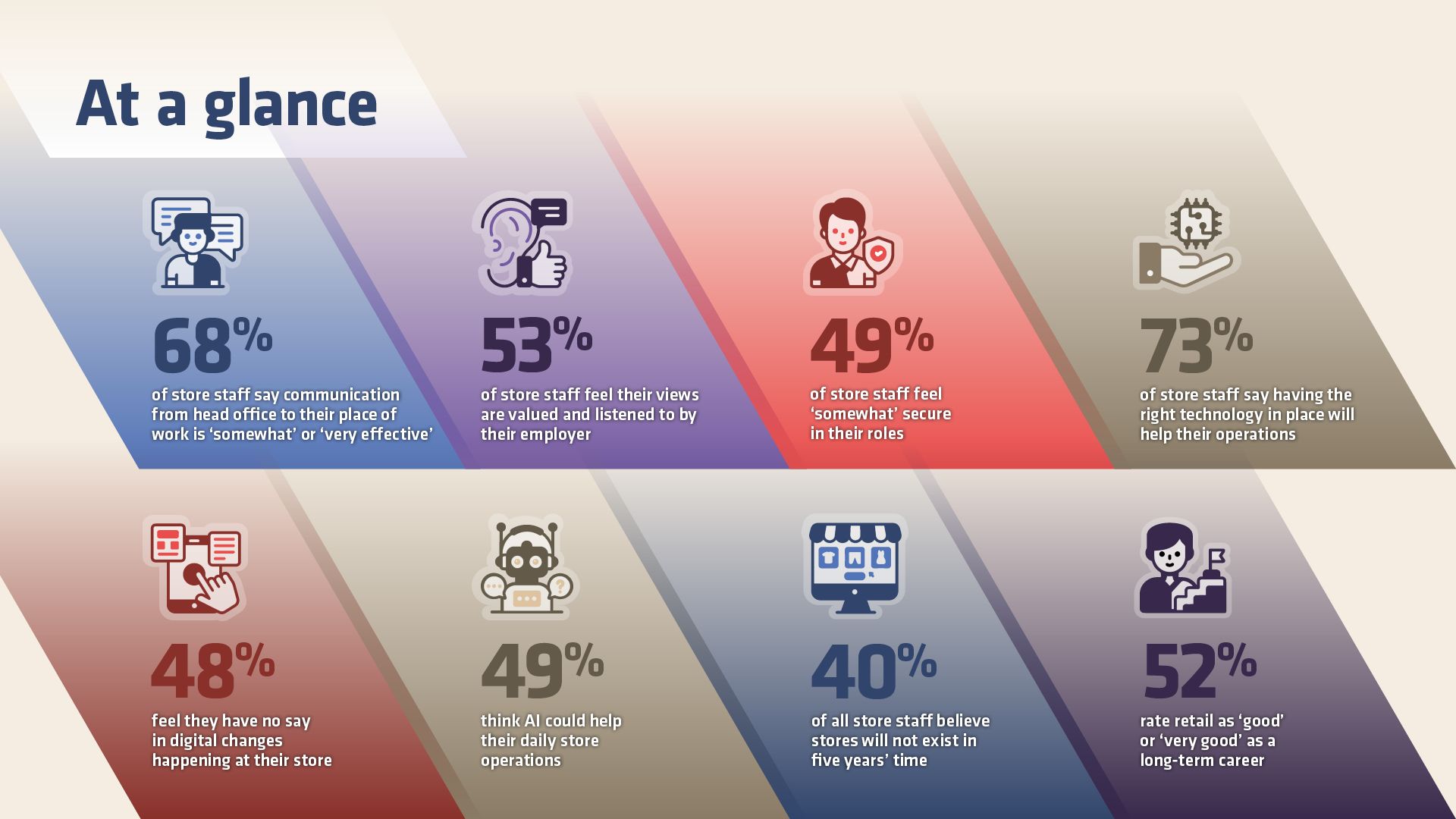
Just over half (52%) of store staff rate retail as a 'good' or 'very good' long-term career – and just 4% and 13% of respondents say it is 'very poor' or 'poor' respectively.
While there is work to do to improve the ambivalence of the remaining 31%, who rate retail’s long-term career prospects as “average”, the lion’s share of shopfloor workers rate the sector as one to build a fulfilling and rewarding career in – despite the challenges presented by wider economic and societal pressures.
Leadership silos
Overall, 68.6% of store staff say communication from head office is 'somewhat effective' or 'very effective'. This represents a minor drop year on year from 2023, when 71% of respondents said head office communicated effectively.
While retail leaders have longstanding concerns around silos between shopfloor and head office staff, there is some positive momentum building – for younger employees in particular. Indeed, 70.4% of respondents aged 16-25 believe their views are valued by their retail employer.
Worryingly, the picture is less rosy among older employees – approximately half of employees in all other age demographics feel their views are listened to or valued by their employers.
Store staff with longer tenures also feel their views are less valued by their retail employers. Just under half (49%) of those who had worked in retail for 10-20 years – and the same for over 30 years – say they feel their employer values their views compared with 56% of those who have worked in retail for less than a decade.
Retail clearly has more work to do to ensure the perspectives of its more mature and established workforce are properly valued – and several initiatives have emerged in recent years to redress this balance.
In November 2023, Majestic Wine launched a recruitment drive specifically targeting employees aged 50 and above – and the number of workers in this age demographic that Majestic employs overall has surged 90% since 2019. Speaking at the time, boss John Colley said: “We know that older colleagues have a huge amount to offer our business, from exceptional customer service and exemplary store standards to a passion for wine and a keenness to mentor the younger generation.”

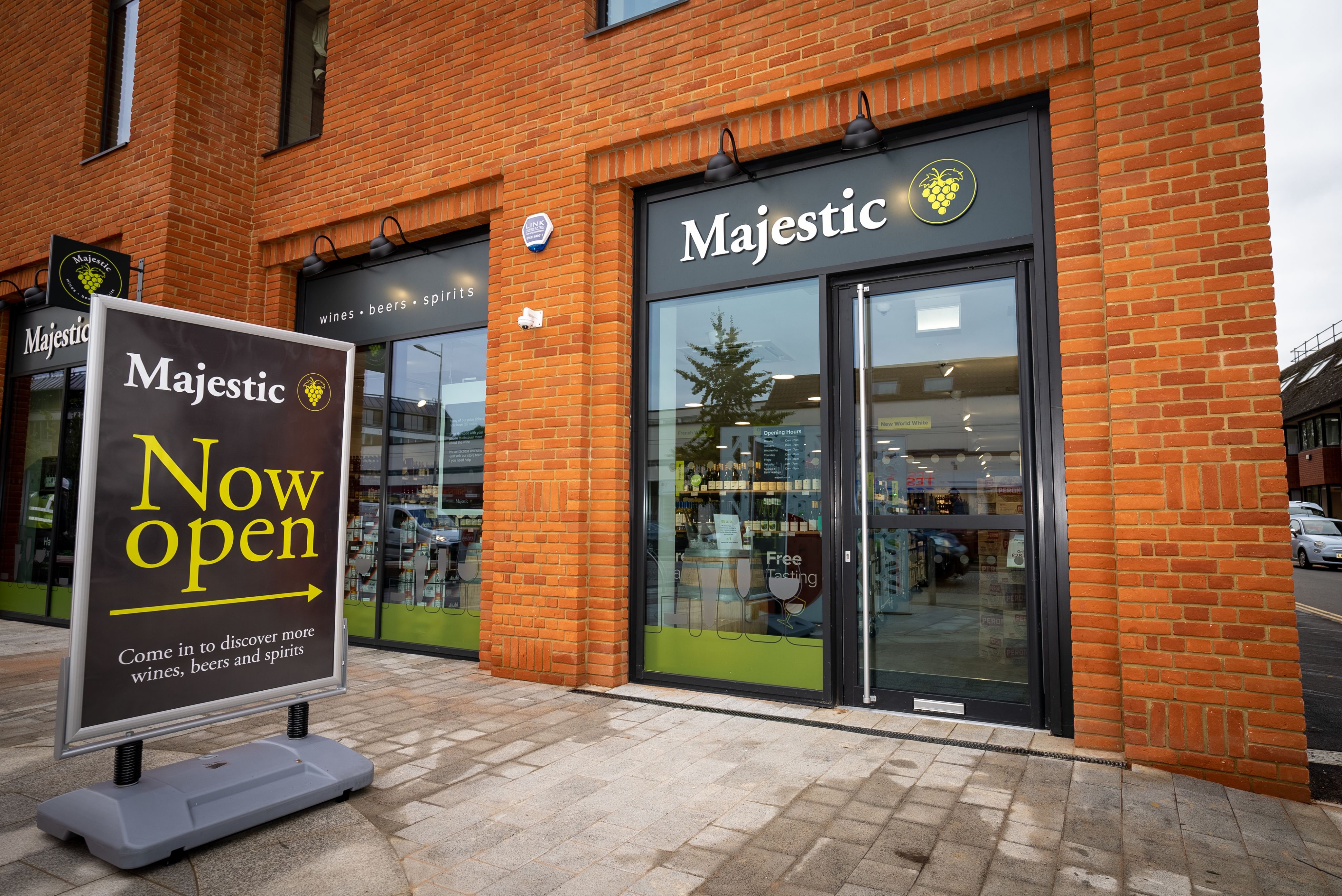
Majestic Wine launched a recruitment drive specifically targeting employees aged 50 and above
Majestic Wine launched a recruitment drive specifically targeting employees aged 50 and above
Back in February 2021, M&S launched its digital alumni network – The Family Alumni – which enables today’s top brass to glean expertise from former staff across all levels of the business. At its launch, former co-chief executive Katie Bickerstaffe said it would support the retailer’s recruitment pipeline and mentoring scheme, and provide valuable feedback on products and services. The scheme is still active today with former M&S chief executive Steve Rowe as the network’s president.
A number of retailers, including Pret a Manger, M&S, and Jollyes, also run dedicated employee listening groups that allow colleagues to voice concerns and suggest operational improvements.
As well as promoting a sense of belonging and driving staff engagement from these groups, tangible operational improvements have been made. Since launching its listening group, Jollyes has identified more than 150 actions for the business to take from across IT, commercial, marketing and retail divisions.
These groups provide a dedicated forum for both long-term and newer store staff to share their expertise, as well as providing some useful actions for head office to deploy across stores.
Job security
Job security levels remain stagnant year on year, as the largest proportion (49%) of store staff from the research only feel ‘somewhat’ secure in their roles – this is the same volume as in 2023. Worryingly, 3% say they feel ‘not secure at all’. In comparison, in 2023 the same volume (49%) said they felt ‘quite secure’ in their roles while 9% said they felt ‘not secure at all’.
Those store staff aged 26-35 are most insecure about their retail jobs. Some 2% and 15% of respondents in this age bracket say they feel ‘not secure at all’ and ‘not very secure’ in their jobs, respectively.
Rather unsurprisingly, those who have worked in retail for less time feel more insecure in their roles than more established cohorts. Approximately 13% of those who have worked in retail for less than a decade are ‘not very secure’ or ‘not secure at all’ in their roles.
Approximately 13% of those who have worked in retail for less than a decade are ‘not very secure’ or ‘not secure at all’ in their roles
This lack of job security is mirrored by fears around lack of career progression, which nearly a quarter (24%) of respondents who have worked in retail for less than 10 years cite as their primary concern about working in the sector – second only to ‘poor pay and conditions’, at 25%.
Career progression
Retailers must focus on creating viable and visible career development opportunities for store staff if they are to maintain an engaged and motivated workforce – particularly among newer recruits.


Selfridges Yellow Careers Club focuses on career development opportunities for junior shopfloor staff
Selfridges Yellow Careers Club focuses on career development opportunities for junior shopfloor staff
Confidently, several retailers are investing in this area. This includes Selfridges, which in January 2023, launched the Yellow Careers Club, an internal programme that focuses on career development opportunities for junior shopfloor staff. As of June 2024, more than 30% of Selfridges employees who have participated in the Club have secured new internal roles outside of their original business area – a shining example of how programmes to support employee mobility can work.
In a squeezed labour market, the retailers that will win the battle for shopfloor talent will be those investing in making their workforce feel valued and heard.
And it’s clear that investing in shopfloor staff can pay dividends – not least because today’s shopfloor staff could become tomorrow’s leaders. For instance, Sainsbury's chief executive Simon Roberts started out on the shopfloor as a store manager at Marks & Spencer; Frasers Group chief customer officer David Clark began his career as a graduate store manager for Arcadia; and Lush head of retail Kasey Swithenbank started her career as a sales associate at the business’ Cardiff store.




Money talks
With the persisting cost-of-living crisis impacting incomes it is perhaps unsurprising to learn that pay is the primary worry for store staff. Some 27.2% of respondents cite poor pay and working conditions as their biggest concern.
While levels of concern around other factors, such as the impact of AI on store roles, vary significantly across different demographics, poor pay and working conditions are a major concern for retail workers across the board no matter their age or tenure.
For 28% of those who have worked in the industry for between two and five years, it is the primary concern alongside lack of career progression – the joint highest response.
For those who have worked in the sector for 21-30 years, concern around this issue is even higher – with 31% of respondents citing pay and working conditions as their biggest worry about working in retail.
Poor pay and working conditions is the number one concern for four out five age demographics
Poor pay and working conditions is the number one concern for four out five age demographics – standing at 33% (16-25), 27% (36-45), 23% (46-55) and 27% (56 and above).
In a similar vein, lack of career progression was the most pressing concern for those aged 26-35, with 29% of respondents saying this was their biggest worry about working in retail.
Shopfloor pay has risen substantially across many retail sectors, particularly in grocery, in recent years and for many employers it now sits well above the UK national minimum wage of £11.44 an hour for those aged 21 and over.
The pay challenge puts substantial pressure on mid-sized and smaller retail operators, whose budgets do not match those of a major chain, to increase salaries or risk losing out in the war for talent.
Despite cost pressures, pay is undeniably an impactful lever for retailers that want to attract and retain shopfloor staff to pull.
As well as improving take-home salaries, many UK retailers have begun thinking about workplace benefits and flexibility for shopfloor staff in a more well-rounded way, in the hopes that it will result in improved hiring and reduced staff turnover levels. Here’s a look at what five retailers are doing around pay and perks for store staff.

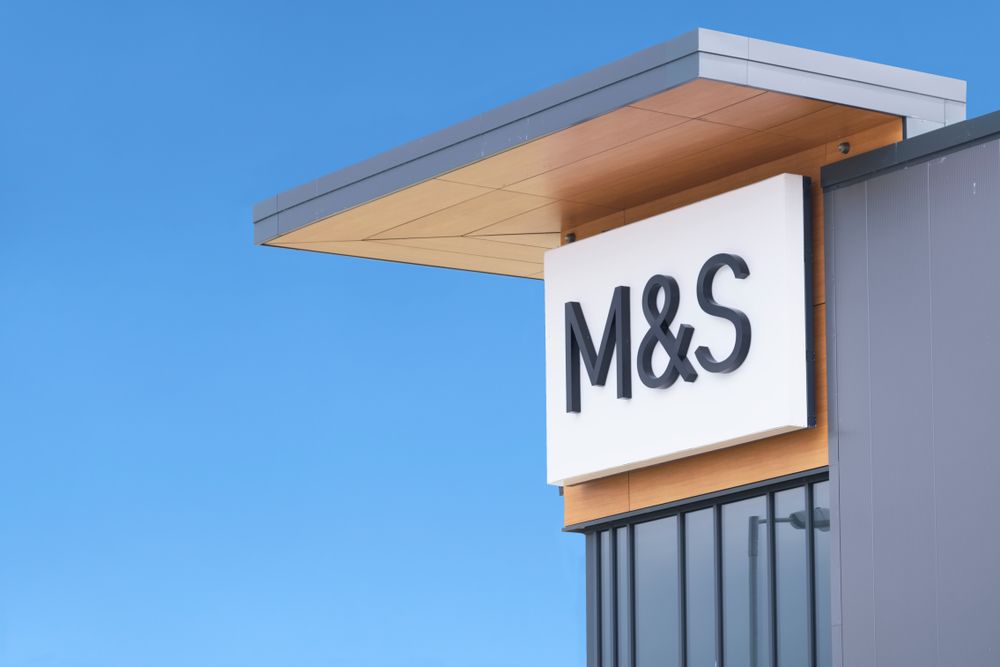







Marks & Spencer
In February, Marks & Spencer unveiled its biggest ever investment in pay, ploughing £89m into raising its UK retail pay to at least £12 an hour, in line with the real living wage. This represents a 10.1% increase in pay year on year, and an uplift of 26.3% since March 2022 – with investment in pay from that period until now standing at £146m.
The department store retailer also nearly doubled its maternity and adoption leave allowance to 26 weeks – representing a £5m annual investment in its parental leave offer.
This investment in pay follows the launch of M&S’ WorkLife scheme in January 2023. The initiative entitles 3,000 store managers to flexible working options, including spreading their hours over five days, working a four-day compressed week or a nine-day compressed fortnight.
Three quarters of M&S store staff that took part in the compressed four-day week trial said it had a positive impact on their family life.
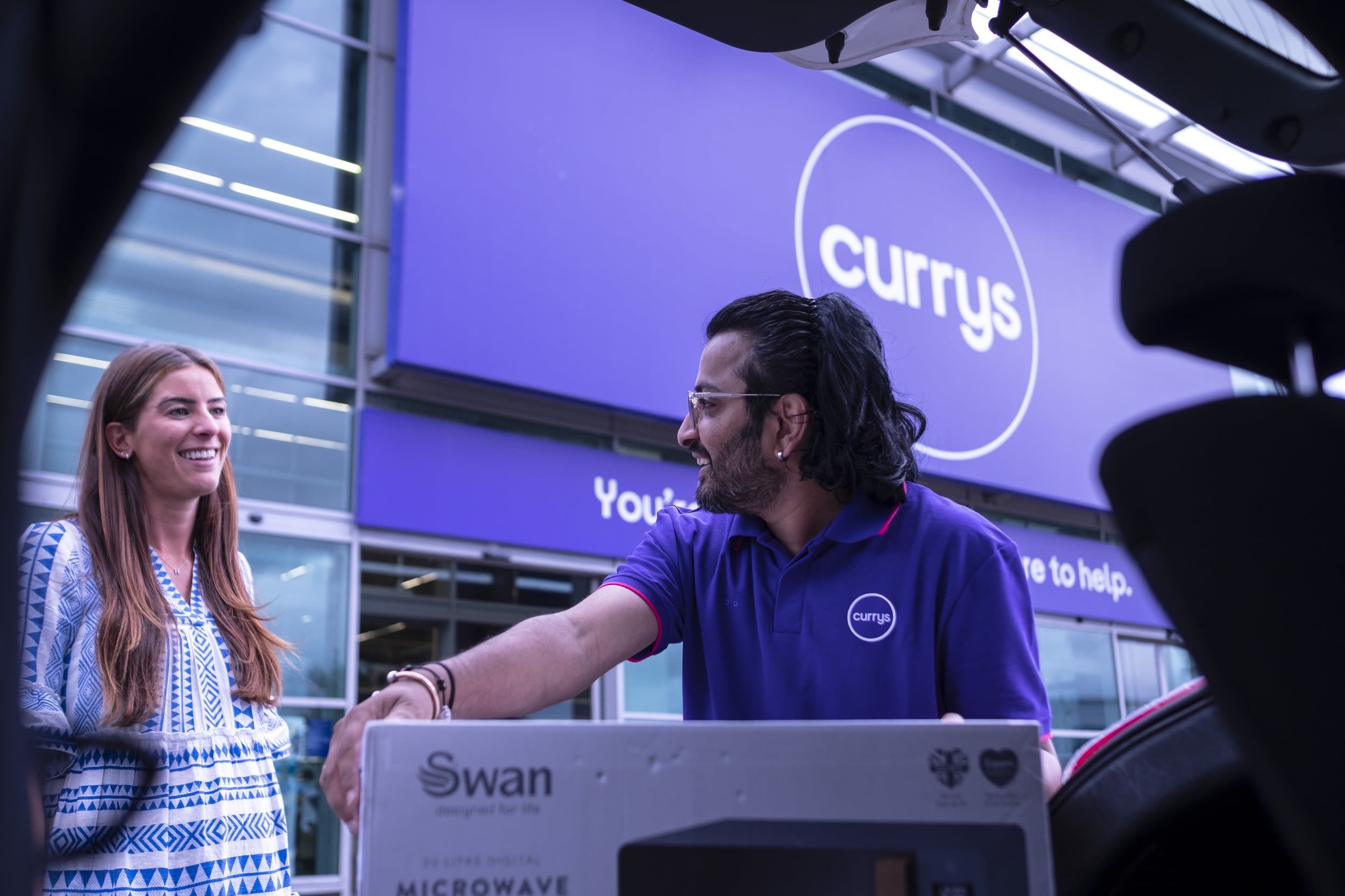
Currys
The electricals retailer boosted pay for all hourly paid staff in March by 9.5%, meaning store-based colleagues will be able to earn an average of £12.33 per hour, alongside uncapped bonuses.
This £13m investment was the latest in a series of pay increases Currys has given to store staff. Over the past three years, the specialist retailer has boosted minimum hourly pay by 29%.
Alongside this, Currys invested in a raft of learning and development materials for staff, with 275,000 hours of learning logged across the retailer’s L&D portals last year.
Currys chief people, communications and sustainability officer Paula Coughlan also said the retailer has “never had more people join the corporate headquarters from stores” since the business closed its Acton-based HQ in March 2022, instead allowing colleagues to work flexibly, either from home or at hot-desking WeWork offices. This could go some way to address the career progression concerns that are particularly prevalent for younger shopfloor workers.
Uniqlo
The Japanese fashion retailer boosted UK store staff pay by 7% in March, representing an increase in hourly pay from £11.40 to £12.15 for staff outside of the capital and an uptick from £12.40 to £13.15 for those working in London stores.
Uniqlo also introduced a range of new employee benefits, including an equal enhanced pay scheme for parents taking leave for the birth or adoption of a child; enhanced annual leave allowance of 34 days, including bank holidays; and £300 net pay towards clothing annually.
Uniqlo’s chief operating officer Alessandro Dudech said: “Employees are our most valuable assets, so by investing in a salary increase and a series of enhanced employee benefits, we hope to ensure our staff feel valued and motivated to really contribute to the company’s success.”
The discounters
Aldi
Aldi has increased pay for store staff twice this year, with its second salary boost coming in March representing a £79m investment in pay overall. This increase, which benefited more than 28,000 store colleagues, saw the discount grocer’s minimum hourly rate uplift to £12.40, ahead of the real living wage at £12.
Aldi also revealed an £800m investment into its UK operation in September, which chief executive Giles Hurley said was, in part to “reward our amazing colleagues” and create “thousands” of new jobs.
Lidl
Competitor Lidl has increased staff pay three times in the past 12 months, representing an overall investment of £50m. The latest uplift, which was unveiled in May, saw hourly pay reach £12.40 across the UK – with those working in London paid £13.65, up from £13.55.
The discounter said the new base rates “equal the best hourly pay in the sector” and will rise with length of service, with pay reaching £13 nationally and £14 in London.
Pay is a particularly competitive issue for grocers, with supermarket chains including Tesco, Sainsbury’s and Asda also unveiling investments in shopfloor salaries this year.
Many UK retailers are investing in upgrading their stores and as part of this investment are deploying in-store tech to enhance the shopping experience for customers or drive cost savings.
Marks & Spencer is a good example of a retailer that has backed significant investment in the area over the past 18 months, increasing its technology spend by 60% to £102m in the year to April 1, 2023. This investment included the roll-out of 800 self-checkout tills in store, as well as the development of its Scan & Shop offer. These tech roll-outs were designed to aid customer convenience and ease pressure on store staff to enable them to conduct other pressing tasks.

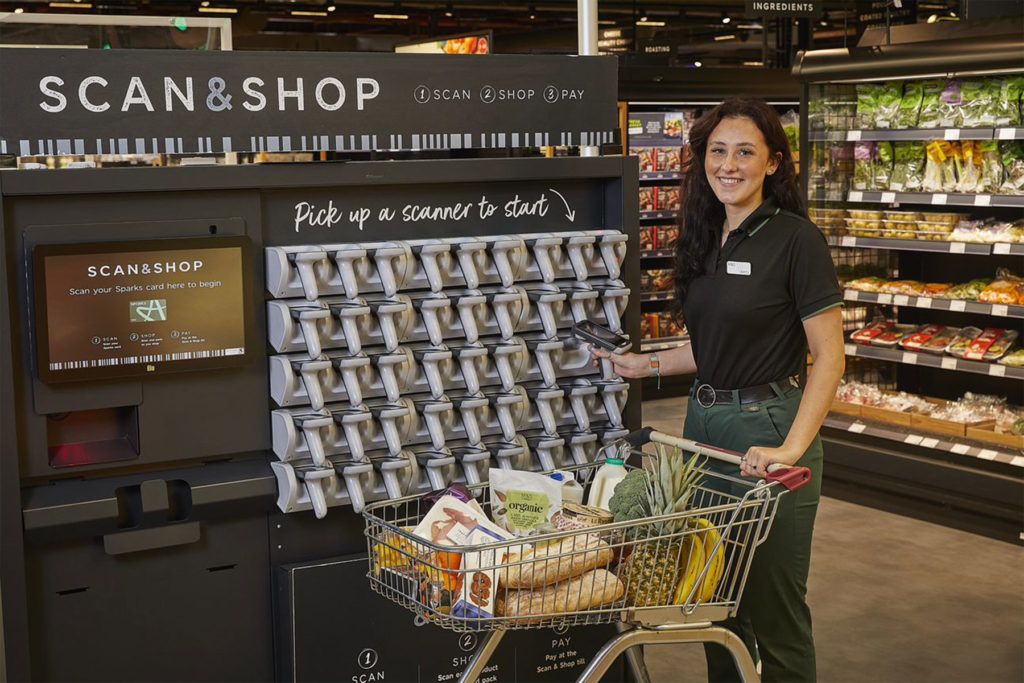

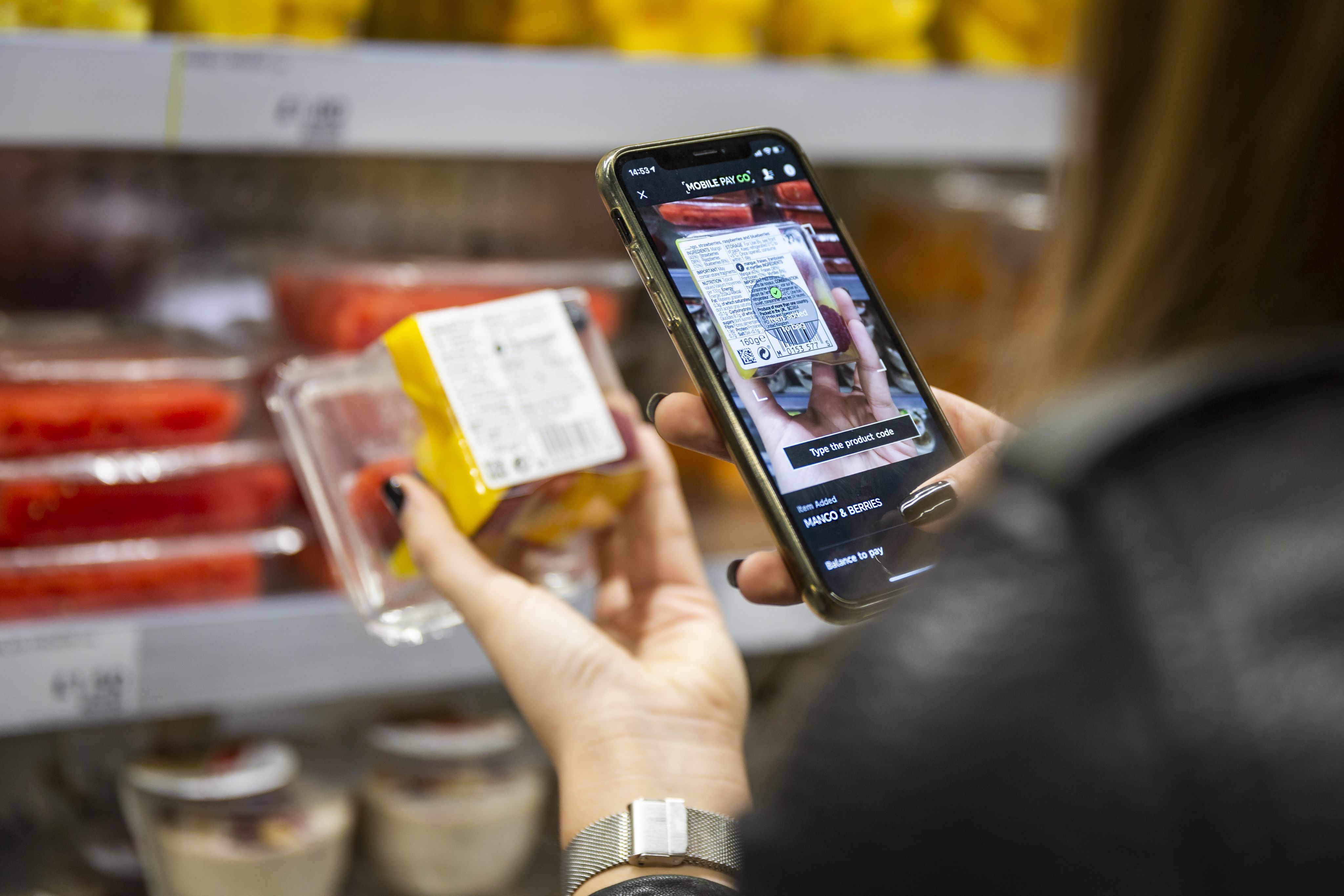
M&S increased its technology spend by 60% in the year to April 1, 2023, which included the roll-out of its Scan & Shop tech
M&S increased its technology spend by 60% in the year to April 1, 2023, which included the roll-out of its Scan & Shop tech
M&S is also launching new tech-enabled store concepts, including a dedicated fashion and beauty store at Battersea Power Station, as well as substantially ramping up and refreshing its convenience store footprint through the opening of 10 new branches and refreshing a further 50 existing outlets as it pursues further growth in this market.
But how do these investments impact the staff working on the frontline – and what are the tech investments that would allow them to work as effectively as possible?
Overall, just under half (48%) of respondents from our research say the pace of digital change in their store is reasonably fast-paced but they can keep up – down 10% year on year.
Some 48% of respondents from our research say the pace of digital change in their store is reasonably fast-paced but they can keep up – down 10% year on year
However, nearly a third (29%) of respondents say there is not much digital change in their store – indicating that the level of innovation across retailers’ stores may be stagnating due to broader cost pressures.
Only 10% of store staff are uncomfortable with the digital changes taking place in their stores – with the leading reasons being that technology has not helped them to do their job better (35%) and that they felt pressured by their employer to use it (33%).
The level of discomfort staff feel around new technology increases with age. Just 4% of respondents in younger age demographics say they are uncomfortable with new technology, compared with 17% of those aged 56 and above.
Autonomy issues
Alongside some discomfort around new tech in store, there is a clear lack of perceived autonomy for shopfloor staff around the changes being made in their stores.
As mentioned previously, more than half of respondents (54%) agree or strongly agree they are not given sufficient time to plan when asked to conduct new daily tasks in store.
When asked ‘how engaged do you feel in the digital changes being made in your store?’ the most common response is that change comes from the top and they have no say in them. Nearly half (48%) of respondents give this response – up 5% year on year.
Again, reticence around digital changes deployed in store increases with age. The lion’s share of shopfloor staff aged 16-25 and 26-35 (57% and 49%, respectively) believe they are part of the digital evolution journey in their stores and that their views matter to leadership. This decreased to 35% of those aged between 36-55, and just 29% of those aged 56 and above agree with this sentiment.
Digital buy-in
This is clearly an issue retailers must work harder to address.
One way retailers can tackle this is to consult with store staff during the development and deployment of new technology. Holland & Barrett offers a handy case study.
The retailer has made strides in this area through the development of its in-house app Cerebro, which is designed for store staff and in consultation with them. Cerebro can perform a range of tasks for those working in stores including searching for specific products, receiving product reviews and tracking stock availability levels in individual stores.

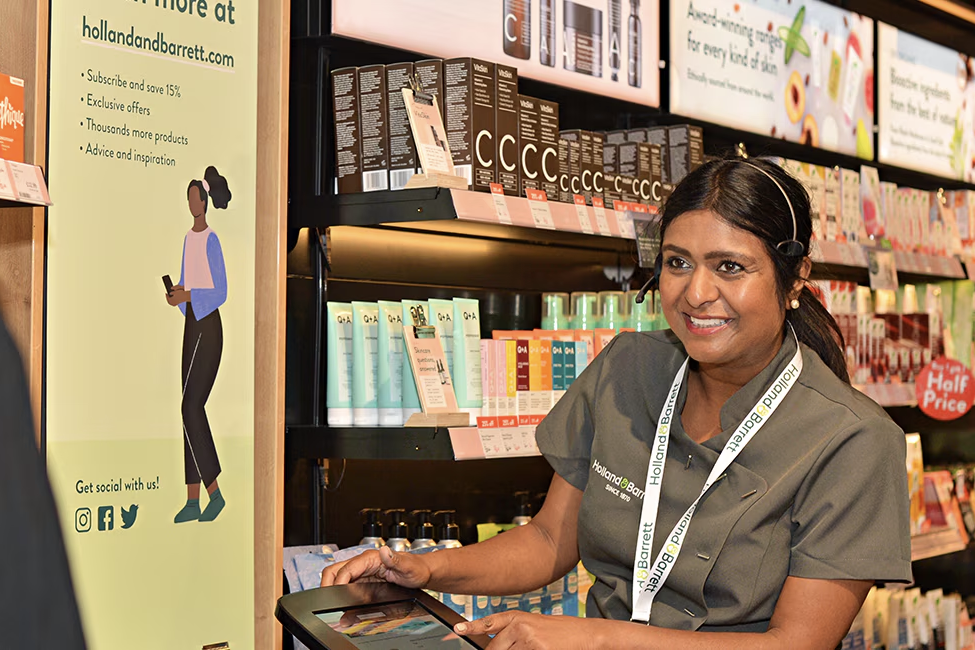
Holland & Barrett staff app Cerebro can be used for a host of in-store tasks
Holland & Barrett staff app Cerebro can be used for a host of in-store tasks
This is one of 11 apps that Holland & Barrett has developed in house to assist staff and which have a 96% adoption rate across the business.
Holland & Barrett’s store tech team deploy a variety of methods to drive buy-in from store colleagues around new technology – ranging from teaser videos about new functionalities to myth-busting Q&As with the tech team ahead of product launches and hosting drop-ins for staff after tech goes live.
It is a strategy that has borne fruit for the retailer alongside its wider technology upgrades. Holland & Barrett has pledged £70m worth of investment in its business, including the opening and renovation of more than 200 stores in the UK. The business also completed a major till upgrade in December 2023, which saw 1,800 payment points replaced across its 800-strong store estate.
In the retailer’s latest full-year results its sales increased by 11% to £806m. The wellness specialist’s customer satisfaction levels also stood at a record high, driven in part by its highly rated checkout experience and colleague advice – no doubt bolstered by the 630,000 hours of staff training completed across the business during the year.
It is clear that listening to store staff when developing and deploying in-store technology has paid off for Holland & Barrett, both in terms of customer satisfaction and sales momentum – and a well-considered and executed strategy to ensure shopfloor workers are engaged in this process has driven this success.
In the Retail Week and Zeta research, the majority of store staff are on board with the concept of working with technology in their roles. Nearly three quarters (73%) of respondents agree or strongly agree that having the right technology in place would help their store operations.
So what are the areas to invest in now to drive tech engagement from store staff?




Talking tech – what store staff like and what they don’t
The first area of focus is stock availability and ordering. Some 29% of store staff, the largest proportion, say they feel tech that could drive improvements in these areas would have the biggest impact in helping them to do their jobs. This is the second consecutive year this area has been the top priority for store staff.
A number of retailers have made investments in this area. In May, Waitrose launched a trial with Trust Retail in a selection of its stores, which will give staff at the grocery chain a real-time view of stock on their shelves.
Waitrose’s supply chain director Alison Maffin said the partnership “will flow data into other new dynamic planning and forecasting systems to support our overall ambition to make sure we have the right stock in the right place, at the right time”.
Morrisons also has plans to install thousands of AI-powered cameras across its store estate, which will monitor on-shelf product levels in real time and notify staff when and where stock is running low. Trials of this technology, developed by US firm Focal Systems, have significantly improved product availability in the branches where it has been deployed.

Morrisons is using AI-powered cameras to monitor stock levels on shelf
Morrisons is using AI-powered cameras to monitor stock levels on shelf
Alongside stock availability concerns in the research findings, 20% of frontline workers surveyed by Retail Week say that better access to staff rotas and schedules is an area where tech could help them work more effectively.
Furthermore, 51.4% of staff say they would welcome a mobile app that enabled them to see their rotas, swap shifts, book holidays and view pay information, while a further 37.2% say they would consider it.
Workday’s AI-powered platform is one solution being implemented by retailers and brands such as Puma, Harrods, Li & Fung, and Mister Spex to transform how they manage their teams.
Puma has used Workday to overcome its complex HR systems by simplifying processes, standardising tools and creating a platform for more agile decision making with all data in one place. The focus for Puma was to introduce new solutions to deliver a greater user experience for employees. Dietmar Knoess, global director people and organisation at Puma, says the partnership has “fundamentally changed the way we work”.
“We are now faster and more efficient than ever before. Workday makes life easier for our employees and managers, and supports us in our pursuit of ever-better performance, true to our motto ‘forever, faster,‘” adds Knoess.
Fast-growing online retailer Mister Spex has also been overhauling its HR processes. As its teams have become decentralised, the business has sought access to all data in one place to manage labour demand across its stores and prepare accordingly – it has used Workday to find a solution. Its head of people, workplace, and controlling Max Weber says: "We can [now] optimise how our people’s time is allocated, precisely calculating when they are required on the shop floor."
Weber has been able to quantify the value of the time and resources that using Workday is freeing up.
According to Weber: “Every week, we’re saving each store manager around 40 minutes of the time they would otherwise spend on HR-related matters. That adds up to about one additional store manager per year who is not now needed, or time that’s liberated to generate sales.”
Wagestream is another tool being implemented by the likes of The Perfume Shop, Asda and Jollyes to give employees better visibility of their pay.
The financial wellbeing app allows employees to see how much they have earned in real time throughout their pay period, as well as access up to half of their earned contracted pay when they choose provided they have earned to that point. Users can also access a ‘rainy day’ savings pot, which pays 5% interest on savings of up to £1,000.
The Perfume Shop has seen nearly half of its UK workforce download the app so far, and those who have done so have saved more than £10,000 through the platform since the retailer partnered with Wagestream earlier this year.
The evolution of technology’s role in the retail store is ongoing and staff attitudes towards it are softening. Gone are the days when technology in the store was perceived as a threat to retail jobs. Nevertheless, shopfloor workers are discerning about the purpose that technology serves and are eager to see the deployment of tech that genuinely makes it easier for them to do their jobs well.
Retailers that invest in technology that works in tandem with the needs of their store staff will see the most tangible, positive results.

The impact of AI is already starting to be felt across the industry, but how are retailers implementing the tech in their stores specifically and, moreover, how do shopfloor staff feel about it?
Interestingly, store staff are increasingly open to the opportunities presented by AI. An impressive 39% of respondents say they believe AI could help in their daily store operations. A further 47% are ‘unsure’ of its potential impact, but this means retailers have scope to support staff buy-in to the technology and bodes well given how many retailers are experimenting with it. In Retail Week’s annual Retail 2025 report, published in September 2024, of the 39 retail leaders interviewed, just four said they were not using AI within their businesses.
Indeed, our Talking Shop research indicates a level of willingness from shopfloor workers to engage in this technology, particularly if there is a compelling use case that allows employees to work more effectively.
A number of retailers are dipping their toe into AI operations in store. In February, the Co-op unveiled plans to utilise AI technology at its self-checkouts in a bid to stem rising retail theft levels; and in June 2024 Holland & Barrett announced it will use AI to track real-time footfall across its store estate.
Sainsbury’s and Currys are also betting big on the long-term impact of AI on in-store retail. Both businesses have entered into multi-year partnerships with Microsoft and Accenture respectively to drive the adoption of AI across their respective operations.
The grocer said it would put “the power of AI in the hands of store colleagues” by providing them with real-time data and insights for key processes, including smarter shelf-replenishment processes. While the electricals specialist said it would use AI to provide colleagues with better information on product availability, delivery costs and add-on services.
But one retailer that has been markedly leading the way on AI adoption in store in recent years is Ikea.
The homewares retailer is investing in AI across its operations, from its call centres to its stores, and even launched an AI literacy programme in June that aims to train more than 3,000 of its employees to use the technology ethically and effectively.
Ikea has also successfully tested AI-powered demand-sensing technology in its stores, which led to a 5% uplift in forecast accuracy across its Portuguese operation. The technology examines how demand in specific store locations will be impacted by a wide range of factors including local weather reports, promotions and wider economic factors – but the business credits the efforts of its store staff in making the technology’s deployment a success.

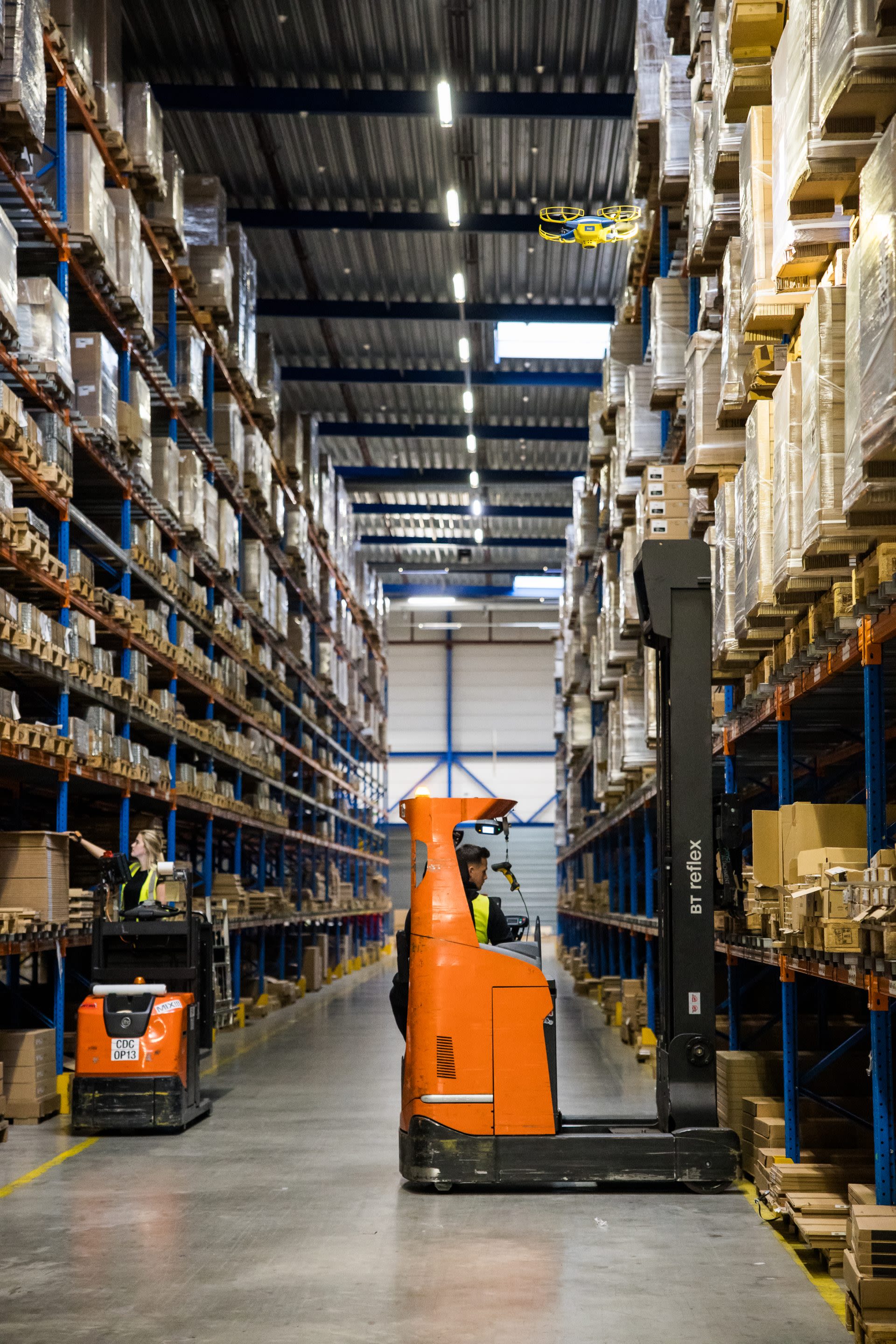
Ikea has trialled AI in Portugal to help with demand forecasting and hailed it a 'game-changer'
Ikea has trialled AI in Portugal to help with demand forecasting and hailed it a 'game-changer'
Global chief digital officer Parag Parekh says of the successful trial: “AI has been a game-changer for us, making our routine tasks easier with the use of smart models.
“However, the tool is only as good as the data it has provided. The real heroes here are our co-workers, as they bring invaluable insights and always ensure the quality of data is there.”




Where do those on the frontline of retail see the store’s role in the future? Alarmingly, there are growing concerns among store workers that the physical store will be entirely subsumed by ecommerce over the coming years.
A staggering 40% of store staff agree with the statement, "There will be no stores in five years’ time" – up 2% on 2023.
This growing pessimism is echoed by the 13.6% of store staff who say online competition is their main concern about working in the retail industry today, and the further 9.6% who say the poor financial outlook for the sector is their primary concern.
This is undoubtedly a bold prediction against the prevalence of multi-year leases throughout retail, as well as pledges from UK operators ranging from Currys and Jollyes to M&S and Aldi to invest substantially in stores in the coming years.
Nevertheless, this outlook does signal a lack of optimism regarding the longevity and dynamism of physical retail by those working on the frontline of the industry – and leaders across the sector would be foolish to ignore it.
A staggering 40% of store staff agree with the statement there will be no stores in five years’ time – up 2% on 2023
Outside of this pessimism, there were several key areas in which shopfloor workers believe the store of tomorrow will evolve. Ninety per cent of store staff believe future stores will incorporate more technology, while 77% think stores will need to offer consumers more personalised services.
The good news is there are a number of retailers that are already substantially investing in each of these areas and offering inspiration for others to learn from. Here’s a quick look at what five retailers have been doing:

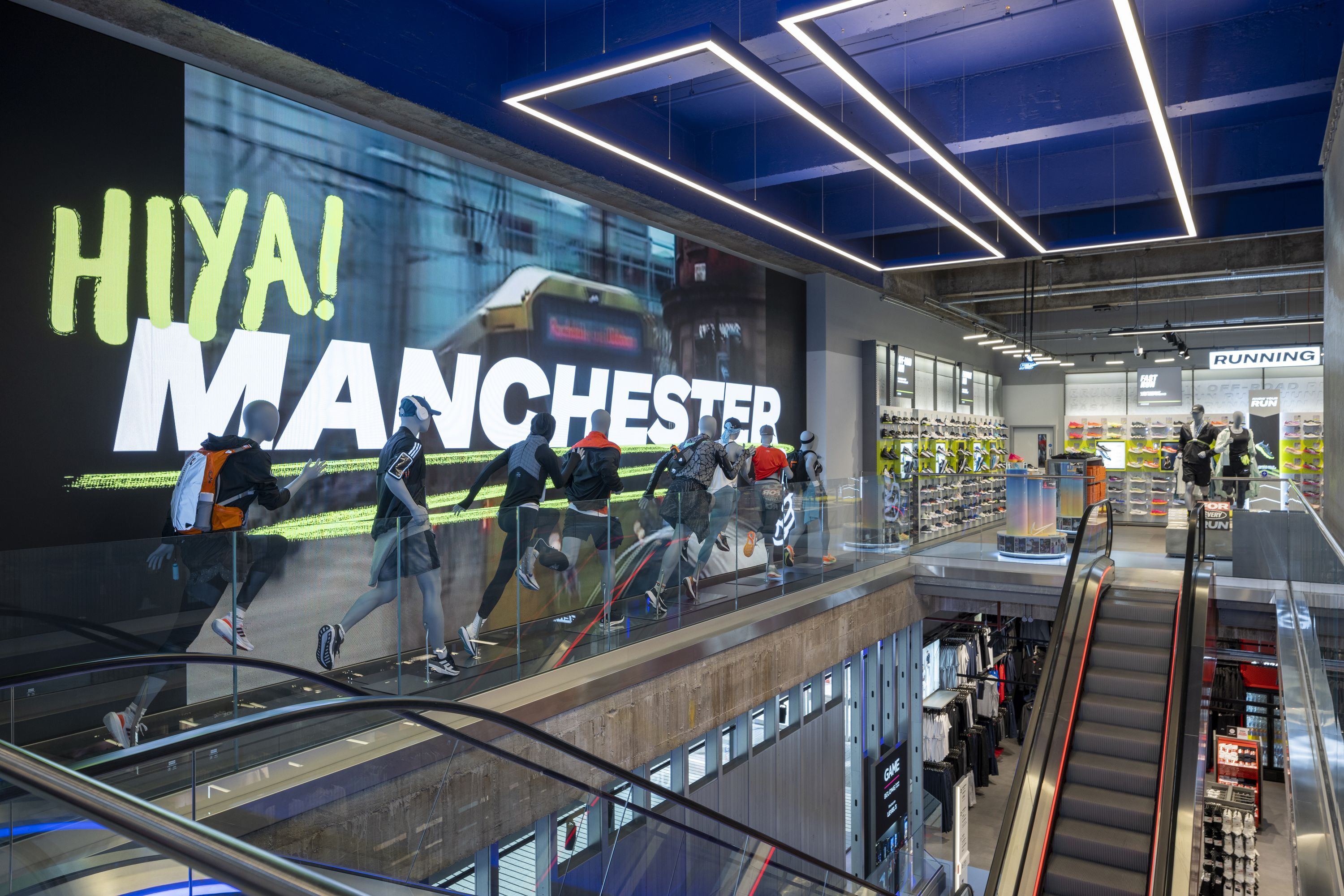




Sports Direct has installed running gait analysis machines across a number of its flagships from March 2023, which use 3D foot-scanning technology to offer personalised insights on a customer’s running pattern, biometrics and weight balance. This then provides a selection of shoe recommendations based on factors including a customer’s preferred terrain, as well as the distance and number of their weekly runs.
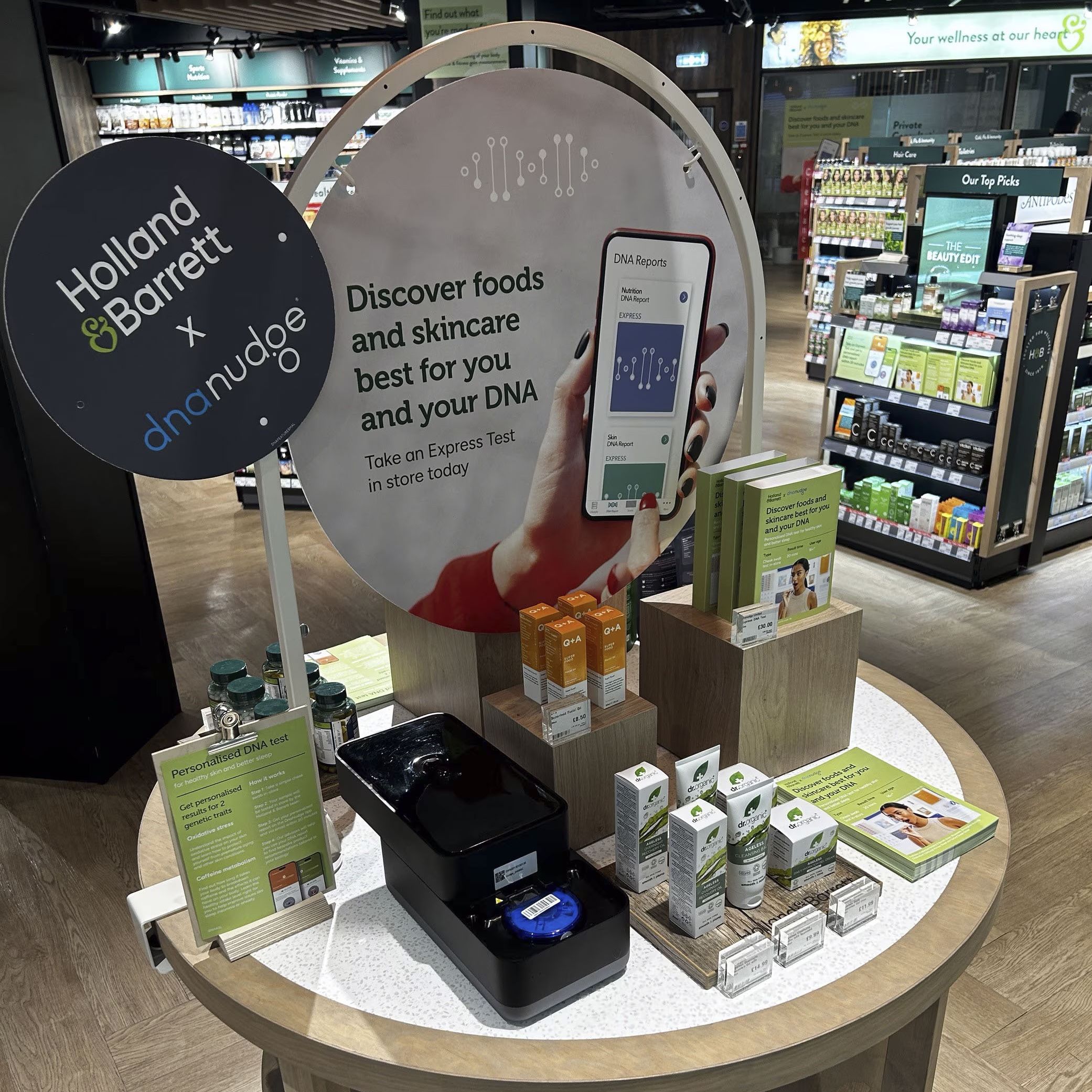
Holland & Barrett launched a trial in August with genetics testing firm DnaNudge across five of its UK stores allowing shoppers to do a cheek swab test that will give them personalised insights into skincare and improved sleep directly to their phone in under 20 minutes. One of the stores where Holland & Barrett is trialling this partnership is its Bluewater branch, which also boasts a consultation room where shoppers can undergo a variety of biometric tests to gain a variety of health readings.
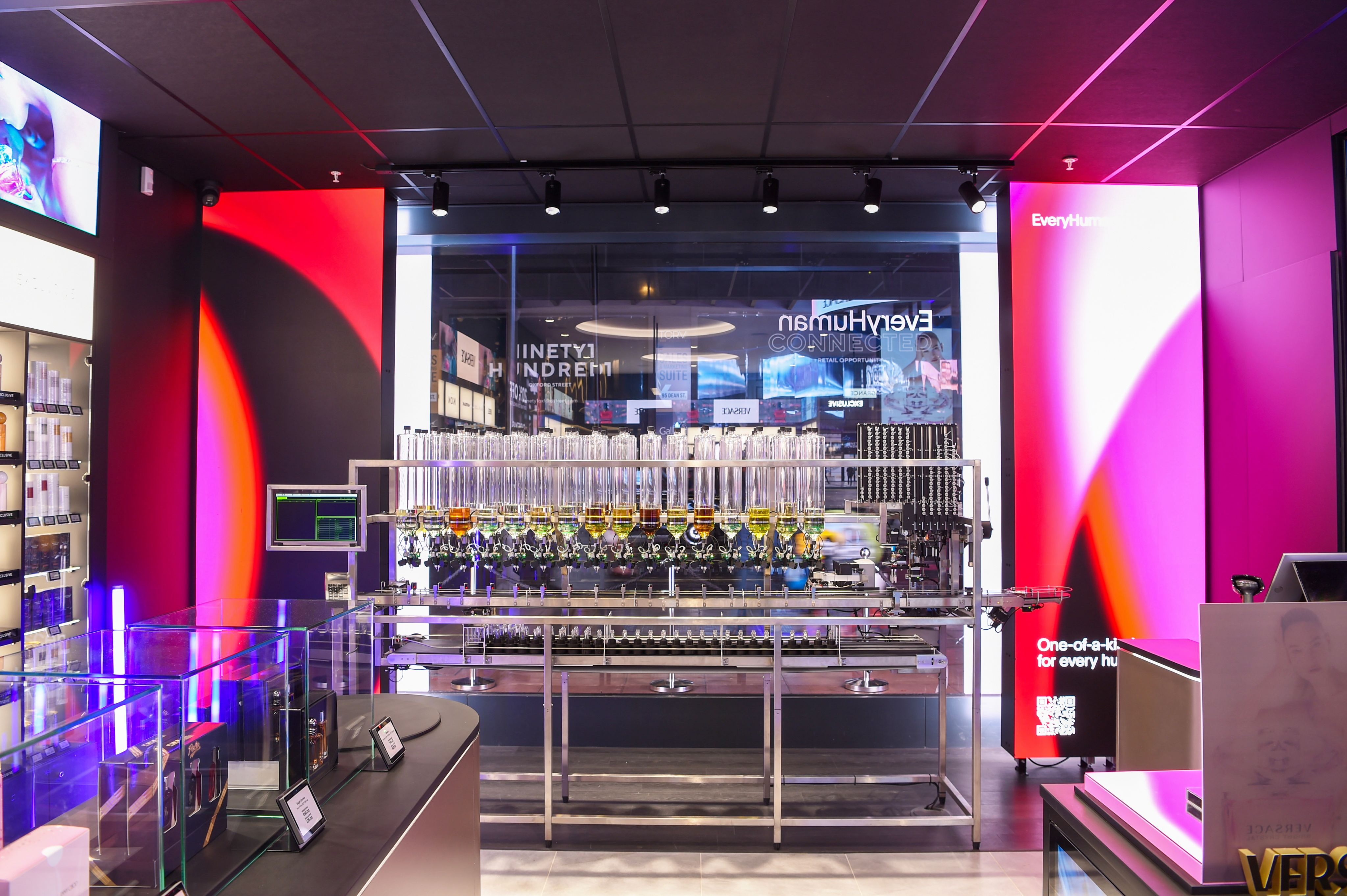
The Fragrance Shop’s new London flagship opened in November 2023 and includes an Algorithmic Perfumery, which employs AI to create personalised scents for shoppers. Customers answer a few simple questions in store about their tastes and the AI technology then produces three “one-of a kind scents” on the spot in sample sizes. The shopper can then order a full-size version if a scent takes their fancy.
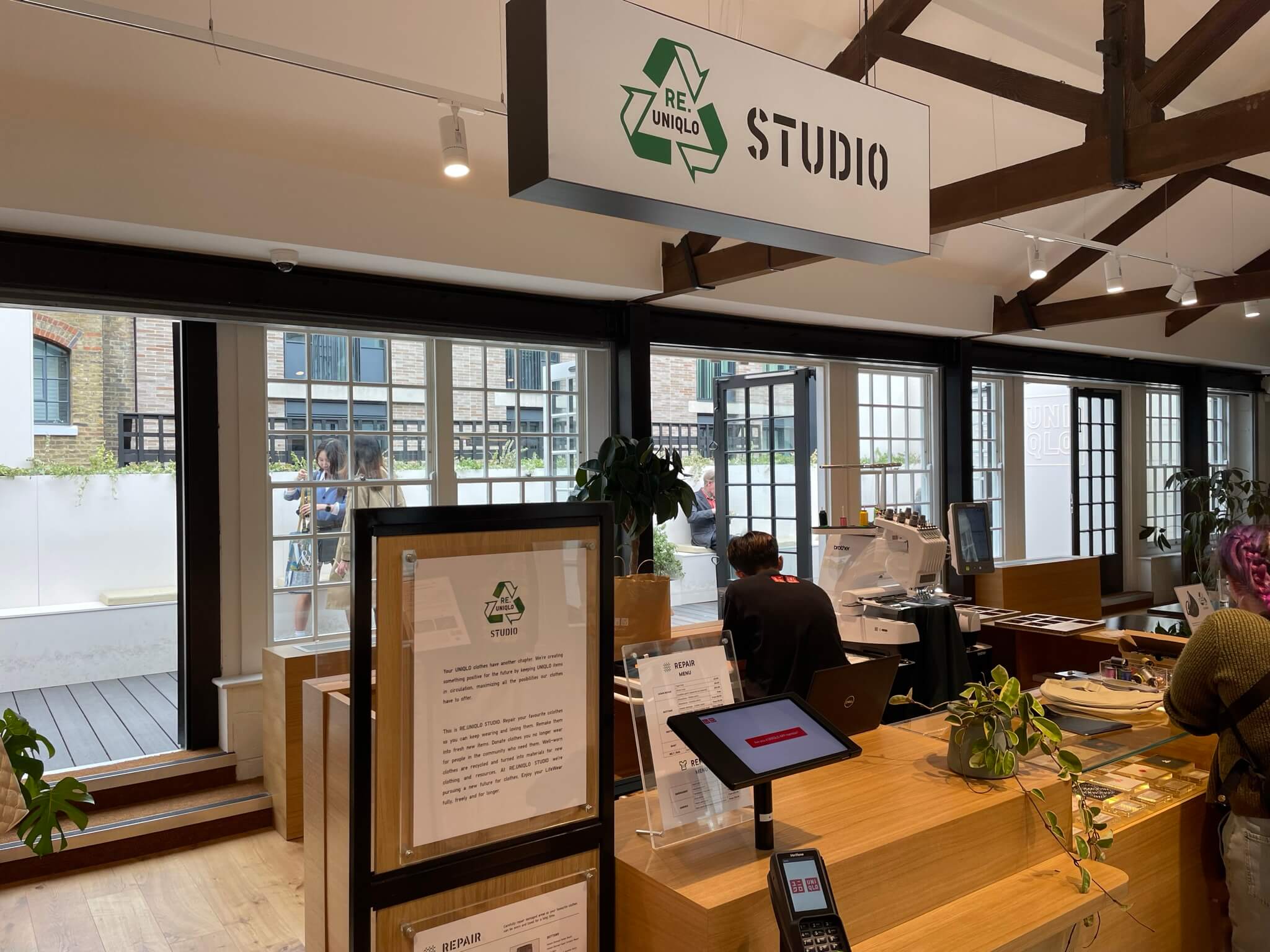
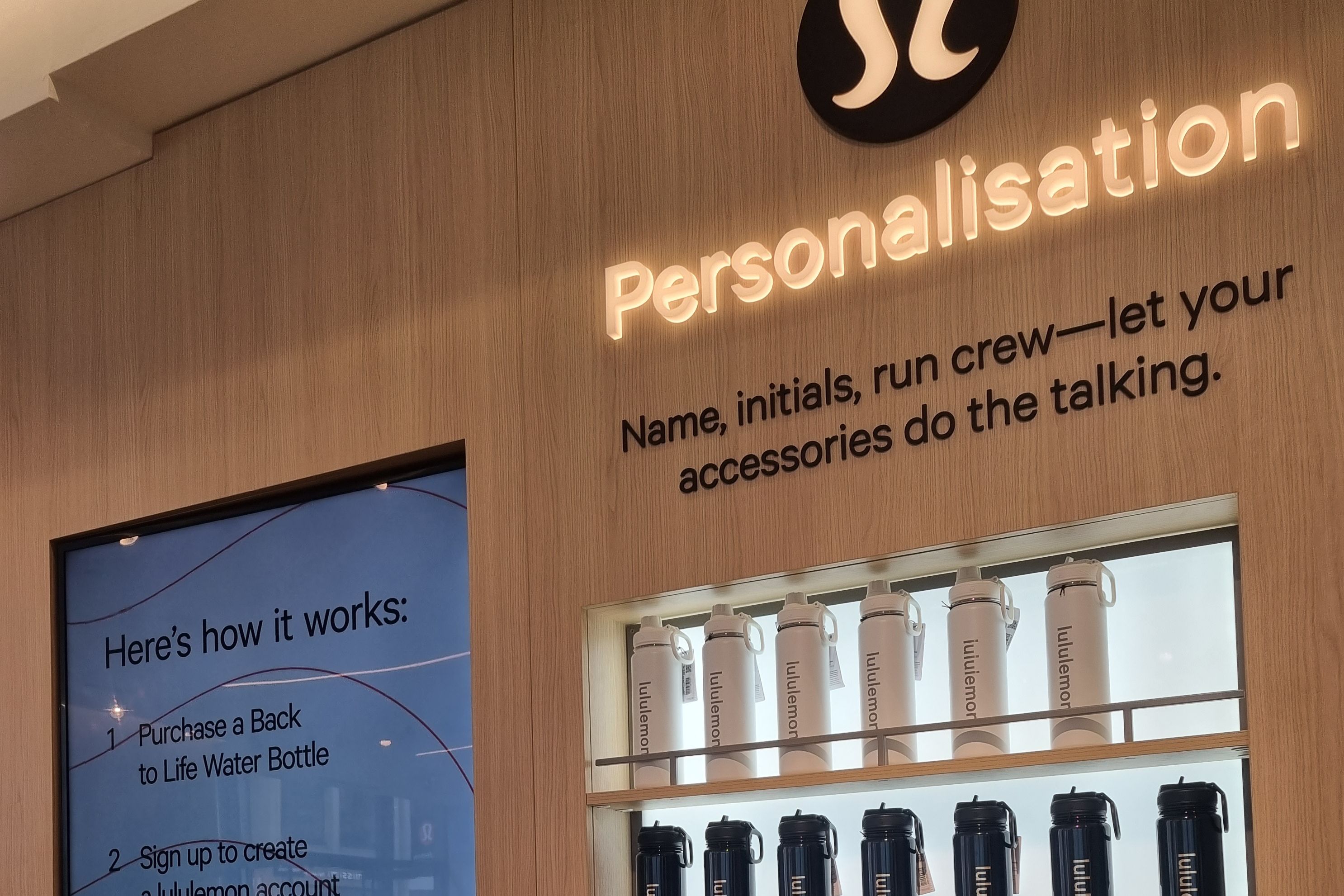
Lululemon’s Covent Garden store combines experiential retail and personalisation, with features including a water bottle personalisation station for shoppers, and a range of group activities run from the store including a running club and exercise classes.
Getting experiential
Alongside technology and personalisation, 75% of shopfloor workers believe the store of the future will be more experiential.
This is an area of investment and expansion for many retailers – both those with a smattering of stores and others with a more established retail footprint.
75% of shopfloor workers believe the store of the future will be more experiential
Telecoms retailer EE has ploughed £6m into opening 10 new flagship stores across the UK within the next year which invites shoppers to see the “future face of retail”. The stores will include several “experience zones” including a dedicated gaming area, “taste of the future” smart home zone and a “digital spa”, where customers can use technology to detox from their screens.
While EE might be a comparative newcomer to bricks-and-mortar retail, longstanding stalwarts such as Liberty, Lush, Waitrose and Pets at Home are also earning their chops in the experiential retail space.



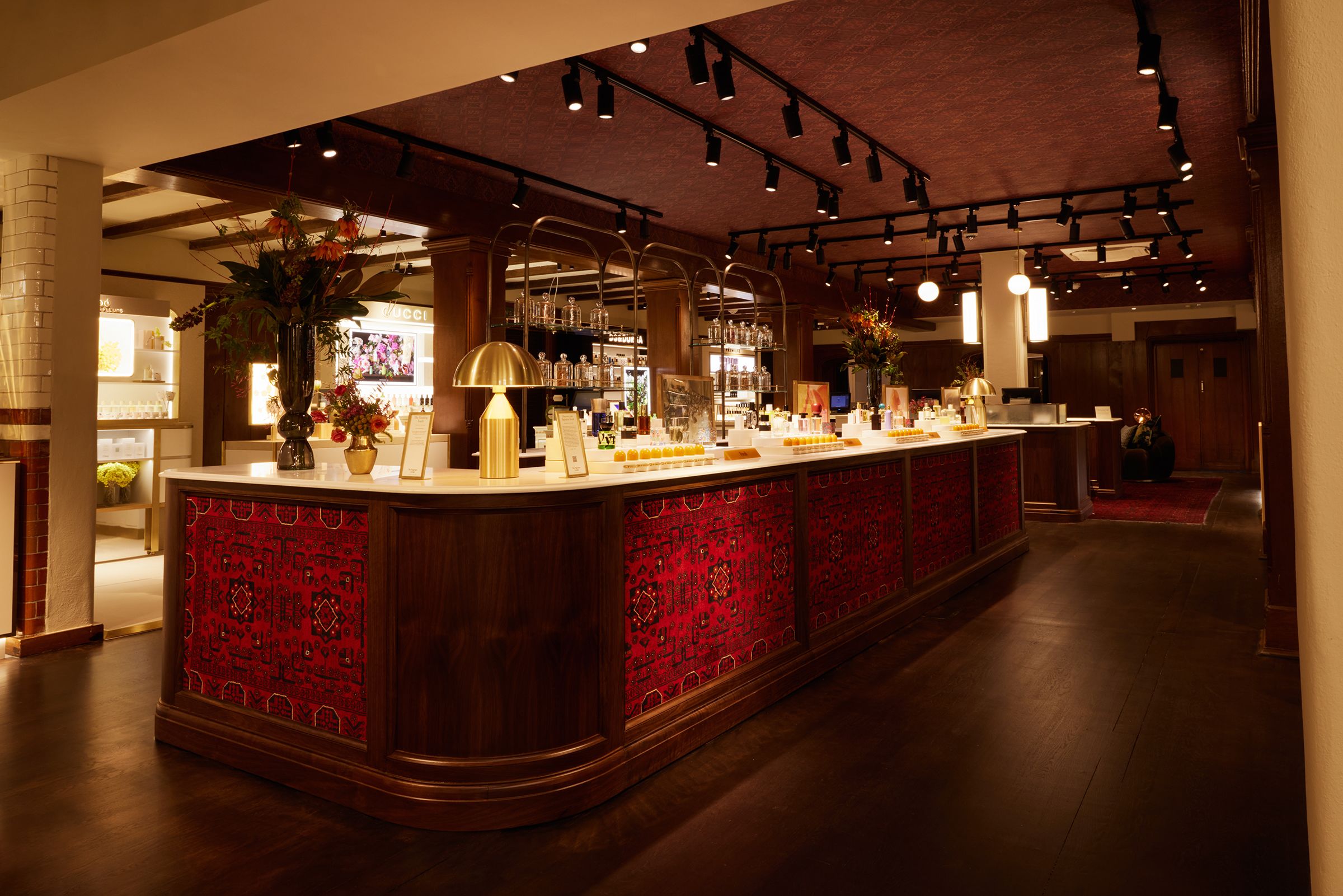

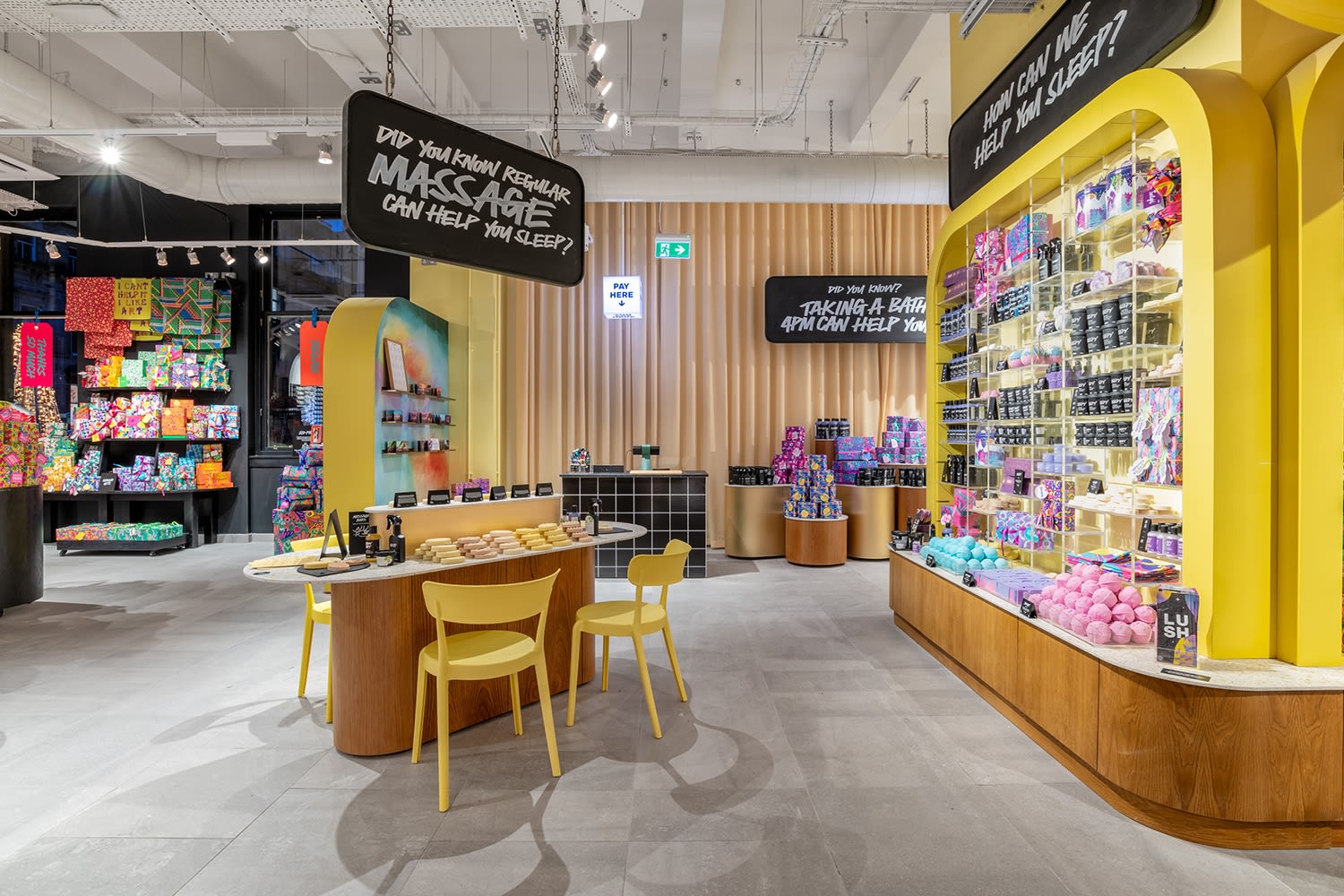

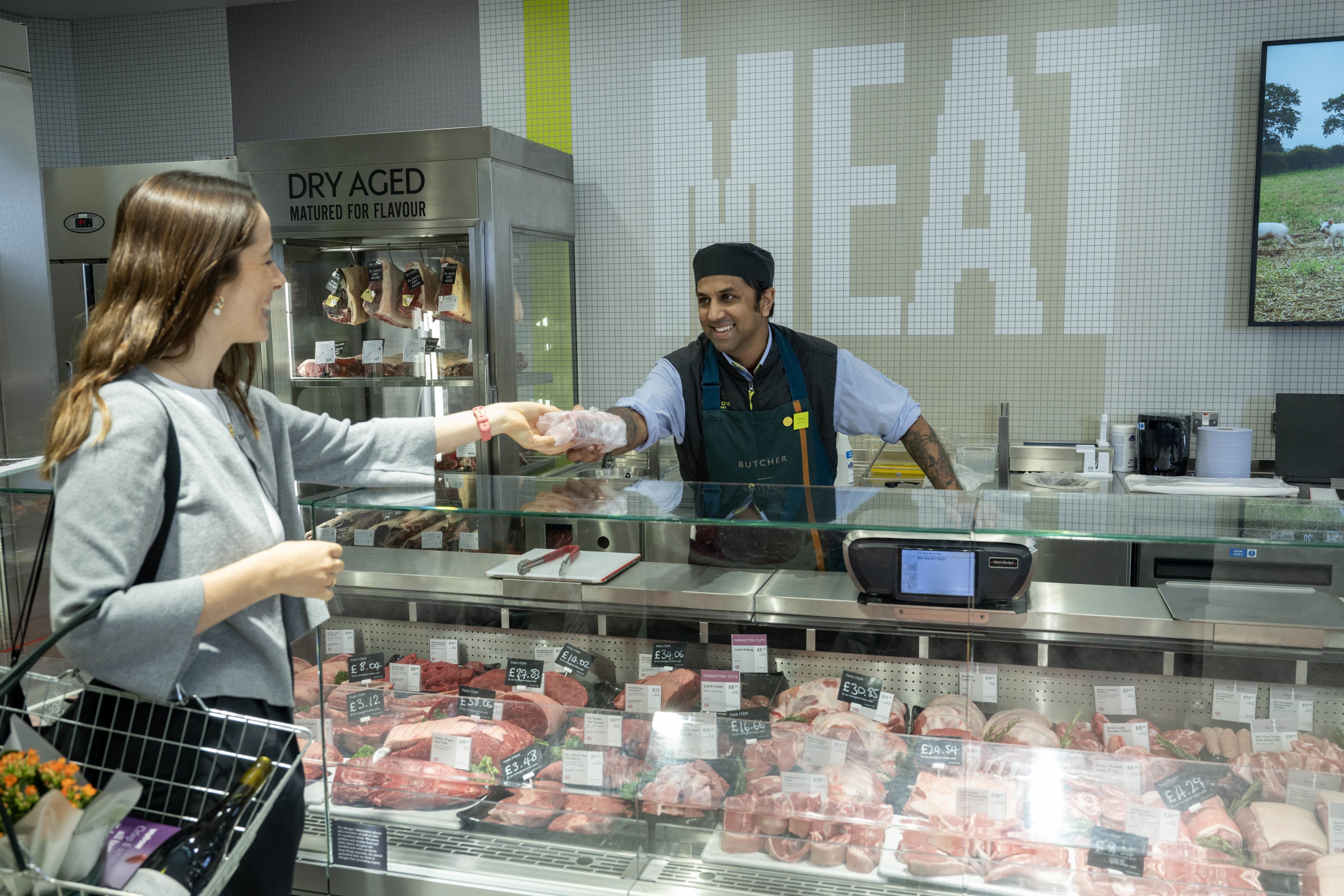

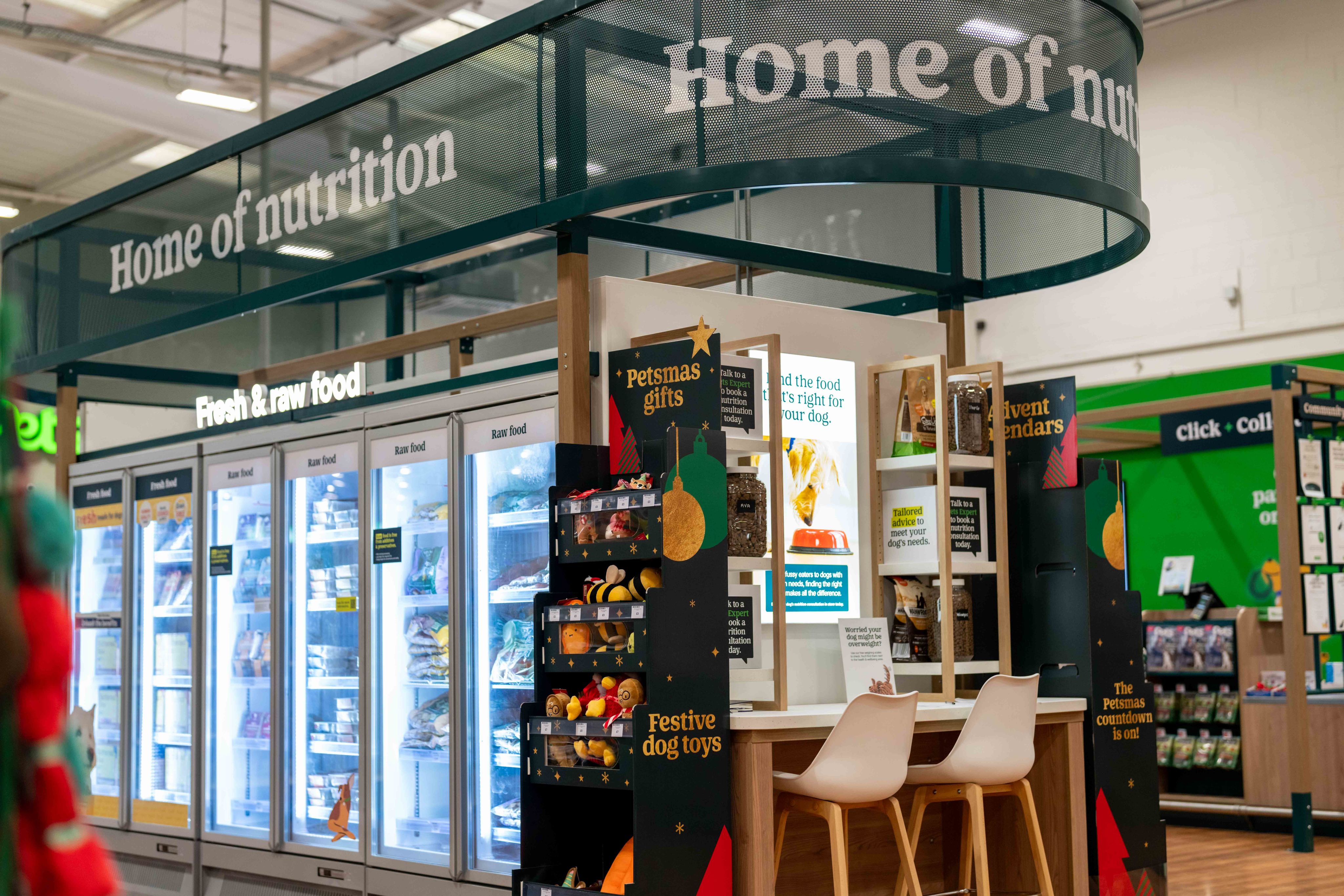
Longstanding London department store Liberty recently invested in a substantial overhaul of its fragrance department in March 2024. Shoppers can now book guided tours or personal consultations in luxury private suites, and a new concierge service sees perfumes organised by scent family rather than brand for shoppers.
Lush has long made a name for itself as an experience-led retailer, with services ranging from spa treatments inspired by the Scottish Highlands to floristry corners across its international store network.
But even the humble grocery convenience store is getting an experiential makeover. Waitrose’s refurbished Finchley Road store in north London, which opened in August, now includes several upgraded service counters, including a dedicated parmesan section and aged beef cabinet, as well as in-store tie-ups with popular chains including Crosstown Doughnuts, Gail’s and Caffè Nero. The refreshed store format forms part of the grocer’s £1bn investment into revamping its store estate.
Pets at Home is also launching four ‘store of the future’ concepts this year, including its expanded Brentford branch. This outlet boasts a Nutrition Hub, which focuses on fresh, frozen and raw pet food, interactive screens for shoppers with a range of features including the option to design a fish tank, and designated consultation areas.
While our research shows there are several areas where store staff and retail leadership can be at odds - when it comes to what the store of tomorrow must look like, if it is to survive, they are clearly aligned.
Retail stores that offer unique, immersive and personalised experiences for shoppers are essential for the long-term health of the sector and investing in technology that facilitates these this, and empowers staff, is vital.

The findings from our staff survey demonstrate that retailers are making progress in creating an engaging and rewarding career for frontline staff.
More than half of respondents view the sector as good or very good for building a long-term career, and more than two thirds say communications from HQ are somewhat or very effective.
But it is clear there is work to do to ensure every employee – from the retail veteran to the newest recruit – feels part of the journey of creating a vibrant and dynamic retail sector that is fit for the future.
While several retailers, such as Holland & Barrett, Currys and M&S, are investing in technology and learning and development to drive this, others are betting on competitive pay to drive staff retention and engagement – with the grocers being standout contributors to this trend.
Based on the survey outcomes, we’ve created this five-point wishlist from UK store staff for their employers:
1. Make the work/life juggle easier
The most tangible tech investment retailers can make to help store staff is around payroll and scheduling. As highlighted, more than eight in 10 retail workers say a mobile app that would allow them to book holiday, see their upcoming pay and manage their work schedule more effectively would be very useful, or worth considering. Investing in a tech solution to improve visibility in this area would be a quick win for any retailer looking to bolster store staff engagement and job satisfaction.
2. Invest in well-considered retail tech
Most frontline workers are on board with technology in their stores and believe the right solution makes their job easier. Genuinely useful solutions rather than gimmicks are essential here though. Rolling out tech for tech’s sake, without consulting with store staff, is a no-go for retailers that want to increase colleague engagement alongside innovation in store.
3. Improve stock availability
The tech solution that the largest proportion of store staff say would allow them to work more effectively is one that gives them a better view of stock availability and ordering. Retailers that want to improve productivity and colleague engagement in stores quickly would do well to invest here. Ikea is one business that is leading the way in this area through its deployment of AI.
4. Bring colleagues along on the tech adoption journey
Many retailers invest in training and career development opportunities for young and new colleagues across their operations but, as the findings show, their more mature counterparts are feeling neglected. Long-standing colleagues believe their views are less valued by senior leadership than their newer and younger counterparts, and are increasingly reticent about digital changes taking place in their stores. If retail leaders want tech investments to have a genuinely positive impact across their stores, they would be wise to develop a robust strategy around bringing more mature and established colleagues along with them on the journey.
5. Refresh HQ and store communications
Retail’s frontline workers consistently feel they are not given enough time to bed in new processes across their stores and are not consulted when new technology is deployed from head office. The report highlights that retailers such as Holland & Barrett have developed a programme that properly consults with store staff throughout the development and deployment of in-store technology. Retail leaders should follow suit and redouble efforts to address this issue.


Expert opinion




Laurent Homeyer, strategic industry adviser retail and hospitality, Workday
The retail industry is undergoing significant transformation, presenting both challenges and opportunities for store staff. One of the main challenges is adapting to rapidly changing customer expectations and the integration of digital tools. Staff often face increased demands for flexibility and new skills as roles evolve with technological advancements. High turnover rates and labour shortages complicate the workforce landscape, leading to pressures on existing employees.
However, the transformation also offers numerous benefits. Optimising HR processes can reduce administrative burdens, allowing staff to focus more on customer engagement and service quality. Automation of tasks such as payroll and scheduling enhances operational efficiency, freeing up time for staff to develop stronger customer relationships. The use of real-time analytics empowers employees by providing insights into labour costs and operational efficiencies, enhancing their decision-making capabilities.
“By embracing digital transformation and prioritising staff development, retailers position themselves for long-term success in a rapidly changing environment”
Promoting a culture of continuous learning enables staff to access training and skill-building resources, increasing job satisfaction and retention in a competitive market. Improved employee experience through self-service portals and feedback tools allows staff to manage their schedules and career development, fostering a sense of ownership and engagement.
Overall, by embracing digital transformation and prioritising staff development, retailers can enhance employee satisfaction, boost productivity, and improve customer service, positioning themselves for long-term success in a rapidly changing environment.
Talking Shop was produced by:

Megan Dunsby
Retail Week senior commercial content editor and report lead

Grace Bowden
Writer

Hannah Buckley
Account manager

Emily Kearns
Production editor

Sam Millard
Designer

Stephen Eddie
Managing editor

 Built with Shorthand