

What you will learn in this chapter:
- How retailers are intentionally designing workplace cultures for 2026
- What is working when it comes to sustainability, what is challenging retailers and how it all stacks up financially
- Whether customers are voting with their feet when it comes to responsible consumption
Retailers’ environmental, social and governance (ESG) efforts continue to remain under the spotlight, and the leaders interviewed this year are renewing efforts to support their people and the planet.
Among the most pressing imperatives: embedding inclusive workplace cultures and delivering real sustainability gains. This year’s interviews revealed a growing sense that ESG is becoming a core, underlying part of business culture. As described by Antler chief executive Kirsty Glenne, it’s now a “hygiene factor, already integrated in everything that we do, and will remain a priority”.
It’s unclear who is in the driving seat when it comes to the proliferation of ESG initiatives – the consumer or the retailer. Consumers express their environmental concerns across almost every research study you can find, but they also continue to buy fast fashion and drive petrol-guzzling cars.
The truth is that they want the best of both worlds. While ESG concerns may not be the deciding factor in a purchasing decision for most consumers, they are an important secondary condition. And, in a tough market, retailers need to be firing on all cylinders to win spend.
Retail also happens within a broader societal context, one undergoing a shift within workplaces, families and among individuals to prioritise the environment and equality.
Here we discuss three key ESG themes arising from our retail leader interviews.
Inclusion as culture, not policy
Bensons for Beds chief executive Nick Collard offers one of the most comprehensive views on how to build a truly inclusive culture. Rather than viewing diversity, equity and inclusion (DEI) as a compliance issue, he sees it as an organic part of the company’s DNA.
“We’ve set ourselves the ambition of becoming officially accredited as a Great Place to Work,” he says, noting that internal surveys highlight how colleagues feel safe to be themselves and genuinely included.
The business has developed a network of employee communities, including LGBTQ+ and parent groups, and created what it calls a Sleep Council – a team of employees nominated by peers from all areas of the business who will help shape its cultural strategy.
“It’s that combination of top-down initiatives and grassroots involvement that makes a difference,” Collard explains. “It’s not about box-ticking. It’s about creating a workplace where people want to stay and grow.”
Leadership visibility and direct engagement, which included the Sleep Council spending a full day with Collard and his executive team, further signal how central DEI is to the future of Bensons.
The retailer’s Open to the World strategy focuses on inclusive hiring, advancing diverse talent and amplifying underrepresented communities across all touchpoints.
Nobody's Child's chief executive Jody Plows describes people as being at the "heart" of the retailer's mission. Having grown its head office from a team of 12 five years ago, to 115 colleagues now, the brand has taken a proactive approach to embedding “a shared set of values that guide our culture, decision-making, and day-to-day actions.” Nobody’s Child promotes itself as a brand committed to creating an inclusive, vibrant and empowered workforce.
“We’ve focused on creating a workplace where everyone feels seen, supported, and set up to grow,” explains Plows.
Selfridges has also embedded DEI leadership training and offers team member-led communities for ongoing support. Visibility and recognition are core tenets, so much so that its internal Yellow Careers Club was explicitly designed to spotlight diverse talent.
“Visibility and recognition of underrepresented talent is non-negotiable,” Foster adds. Through cross-functional working groups, inclusive marketing and charitable partnerships, Selfridges is building not just a more inclusive workplace, but a more inclusive brand.


“It’s that combination of top-down initiatives and grassroots involvement that makes a difference. It’s not about box-ticking. It’s about creating a workplace where people want to stay and grow”


“We aim to be a truly diverse and inclusive environment in which to work and shop... Visibility and recognition of underrepresented talent is non-negotiable”

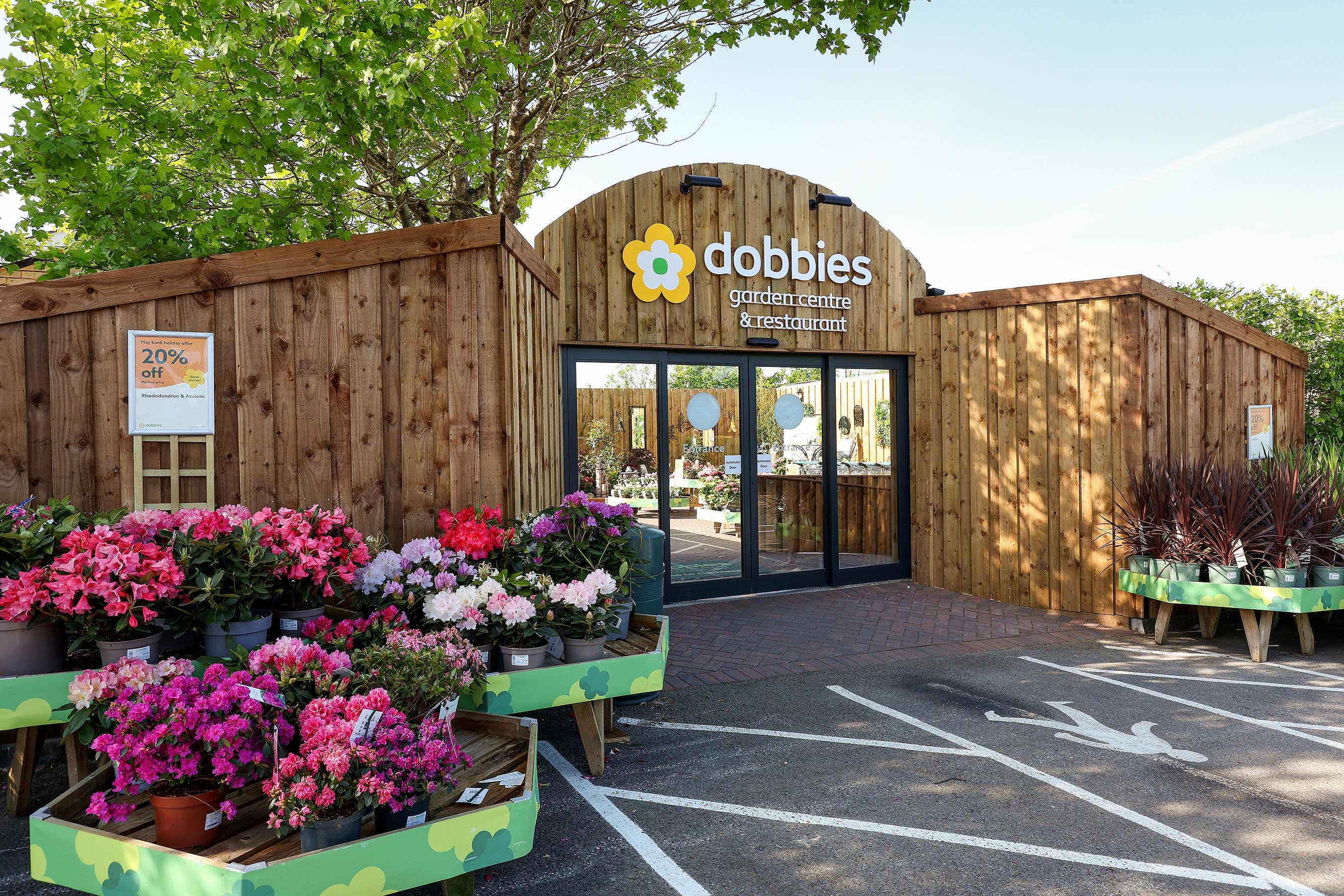
For Dobbies, a shared love of gardens helps build connections between colleagues and customers (Dobbies Garden Centres)
For Dobbies, a shared love of gardens helps build connections between colleagues and customers (Dobbies Garden Centres)
Case studies: Retail initiatives powering culture
The Works
The Works jumped five places to number 10 on Best Companies’ The UK’s Best Big Companies to Work For list for 2024, an achievement chief executive Gavin Peck puts down to its “special and unique culture” and robust DEI strategy.
The retailer’s staff reward and communications platform, MyWorks, offers e-learning, inspiration, discounts and benefits – exclusively for colleagues.
“Wellbeing-related blogs and enhanced DEI training have been well received by colleagues… evidenced by improved results in our FY25 D&I survey,” says Peck. The latest results show 76% of colleagues feel positive about the level of training and awareness in DEI, up from 54% in 2023.
Holland & Barrett
Wellness and wellbeing are top priorities at Holland & Barrett, says chief executive for wellness solutions Tamara Rajah: “We’re really doubling down on wellness, giving our colleagues what we give to our customers and really living and breathing that.”
Eight colleague networks and communities sit at the heart of Holland & Barrett’s wellness and belonging strategy, supporting the representation of a diverse workforce and boosting engagement and inclusivity. Groups include Parents & Carers, Women Together and ManBassadors, as well as those supporting beliefs, LGBTQ+, disability and neurodiversity, wellbeing and mental health.
As Rajah puts it, “there’s a lot of thought going into how wellness culture shows up for all colleagues”.
Dobbies Garden Centres
“Having the right culture, having the right set-up for our colleagues is super important,” says chief executive David Robinson, who emphasises how essential the shared love of gardens between colleagues and customers is in building meaningful connections.
Community sits at the heart of Dobbies’ strategy. Last year, a number of staff across leadership, head office and store teams volunteered their time alongside the Retail Trust to develop a garden space at the charity’s Hugh Fraser Retirement Estate in Glasgow, a supported living estate for people retired from the retail industry.
Dobbies also has a partnership with the Retail Trust, providing staff support on wellbeing, a virtual GP service, counselling and a range of discounts and rewards.
Doubling down on sustainability
B&Q’s sustainability credentials are long-standing but, under chief executive Graham Bell, the company is pushing even further into ambitious territory. “We’ve set carbon zero targets for our scope 1 and 2 emissions and are at 99.9% responsibly sourced wood and paper,” he says.
The DIY giant is using sustainability as a customer value proposition, with 60% of products in its range now qualifying as “sustainable home” products, designed to reduce energy, water usage or waste.
Initiatives range from circular economy programmes such as refurbished tools and plant pot recycling to price reductions on insulation and energy-saving items. B&Q has also invested in solar power at distribution centres and is piloting electric delivery vehicles.
“If we’re looking after people’s homes, we need to look after the bigger home we all share,” Bell says. He acknowledges the complexity of supply chains but insists on pushing ahead. “It’s getting harder, but that doesn’t mean we stop. It means we double down.”
Supply chain is top of the list for Matalan, too. Chief operating officer Phil Hackney says: “One of our key areas of focus is our supply chain, so we’ll be looking closely at the environmental footprint of our logistics operations. We’re already working with partners across our supply chain to improve container-full efficiencies and rationalise delivery routes”.
He also explained how a move to night deliveries at more than 100 stores, avoiding peak travel times, is helping to cut emissions and improve fuel efficiencies.
Nobody’s Child chair Andrew Xeni says the fashion brand has a “bit of an unfair advantage” as sustainability is part of its core DNA. “The team are doing things that are way ahead of any other sort of retailer, in our domain or our size,” he says.
Nobody’s Child has partnered with sister company Fabacus on digital product passports (digital records of garments’ lifecycles, improving transparency across the supply chain), which have been rolled out since 2023. However, these only form part of the innovative, sustainable approach the fashion disruptor is taking.
“2025 has been a year of meaningful action on our sustainability journey,” chief executive Jody Plows says. “We published our first impact report to share progress with our customers. After over two years of piloting the digital product passport (DPP), we’ll be rolling it out across all new clothing products from September. We’ve also submitted our first B Corp application, marking the beginning of an exciting new chapter.”



Circularity and offsetting in action
The Cotswold Company chief executive Ralph Tucker has a hands-on and heartfelt approach to sustainability. “We use a lot of wood, so we plant trees to replace it – we were one of the first in the UK to do this and now others have followed,” he says.
The home and furniture retailer takes sustainability seriously across all emissions scopes and has clear, measurable targets for 2026. Beyond corporate metrics, Tucker highlights a strong culture of personal engagement. From Green Friday team events, such as building bug hotels, to active internal ambassadors for sustainability, the company works hard to bring its environmental mission to life across every level.
“There are pictures of me hugging trees,” he jokes, pointing to the grassroots enthusiasm across the organisation. Scope 3 emissions and travel reduction are also key focus areas. But it’s the internal culture that sets Cotswold apart, in which sustainability is both a strategic objective and a source of collective pride.
In this year’s survey, retailers across verticals emphasised the need to create ‘good for the planet’ products designed to last.
Talking travel apparel and luggage, Antler’s Glenne says: “We are all about durability and quality. As our value proposition, we want everyone to buy good instead of buying cheap, and therefore keep it forever. And if they don’t want to keep it forever, pass it on, sell it on or give it a second life.”
Businesses such as Charity Super.Mkt are also encouraging secondhand sales, with a specific push, emphasised by co-founders Maria Chenoweth and Wayne Hemingway, to make pre-loved purchasing “more socially acceptable”. They say early signs show younger demographics are strong adopters of this secondhand model mindset.
For loungewear retailer Chelsea Peers, “B Corp is a key part of our identity,” says founder Tom Pyne.
Certifications to ensure textiles are free from potentially harmful substances, a carbon offset programme, in place since 2021, and a drive to use more sustainable fabrics have all led the retailer to its B Corp score of 99.8 – almost 20 points above the qualification level.
Click here for Chapter 5: Retail‘s new era


“We are all about durability and quality. We want everyone to buy good instead of cheap, and keep it forever. And if they don’t want to keep it forever, pass it on, sell it on or give it a second life”


“B Corp is a key part of our identity”